Mandala Motif Review for Small Business Merch
First Impression: A Stylish and Versatile Design
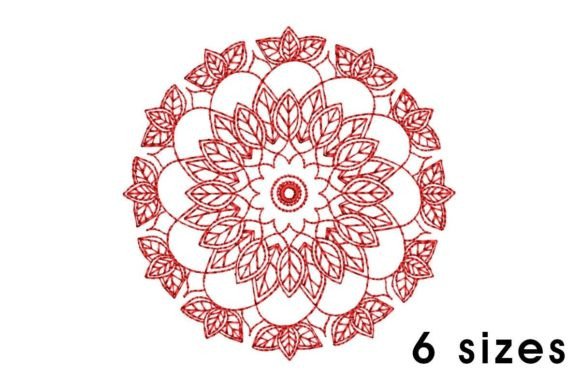
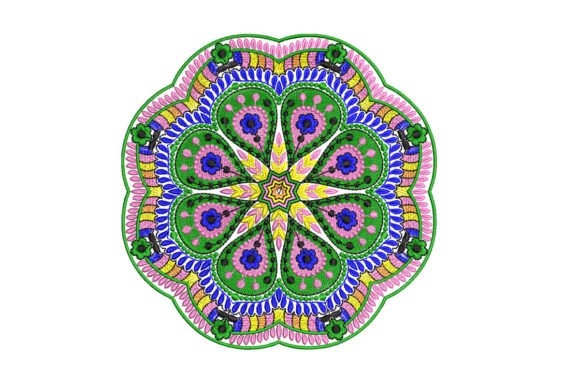
The Mandala Motif immediately caught my eye with its elegant floral patterns and intricate detailing. It feels both sophisticated and approachable, making it a strong candidate for a wide range of business applications. The design’s fancy and stylish nature suggests it can elevate any product without being too flashy or overwhelming.
Business Use Potential: From Patches to Tote Bags
As an embroidery designer, I’ve seen many designs that are great for personal use but fall short in commercial settings. The Mandala Motif, however, shows promise across multiple small business merch applications. It could be used as an embroidered patch, a subtle chest logo accent, or even a bold cap design. Its decorative flowers make it ideal for apron embroidery, toe bag design, and custom apparel like work shirts and uniforms.
For boutique owners and Etsy sellers, the Mandala Motif offers a unique way to add character to branded merchandise. Whether it's a product packaging accent or a customer gift, this design adds visual interest without sacrificing clarity. It also works well as a brand identity element, helping small businesses stand out in a competitive market.
Design Considerations for Commercial Embroidery
Before jumping into production, there are several factors to consider when using the Mandala Motif in commercial embroidery projects. First, it’s important to test the design in black and white to ensure it maintains its structure and legibility at smaller sizes. This is especially crucial for small patch sizes and cap fronts, where detail can easily get lost.
Another key consideration is thread color contrast. The design’s fancy and stylish elements may require careful selection of thread colors to maintain visibility on different fabric types. For example, dark uniforms or textured fabrics might need a lighter thread color to ensure the design stands out. Additionally, the stitch density should be reviewed to ensure it doesn’t become too dense or too sparse for the intended application.
When working with detailed outlines and textured fabric, it’s important to use the right stabilizer to prevent puckering and distortion. Testing the design on real fabric before full-scale production is highly recommended to avoid costly mistakes. Also, confirming the hoop size and file format is essential to ensure compatibility with your embroidery machine and software.
Where to Use the Mandala Motif Carefully
While the Mandala Motif is versatile, there are certain areas where it should be used with caution. For instance, it may not perform well on curved surfaces or items that require frequent washing, such as aprons or work uniforms. The detailed outlines and high stitch density could lead to wear and tear over time.
Additionally, the design’s intricate nature means it may not translate well to tiny lettering or small text elements. If you're planning to use it on caps or patches, it’s wise to create a printable mockup to see how it looks in scale. This helps ensure the finished product meets your expectations and aligns with your brand’s visual identity.
Impact on Brand Identity and Customer Trust
The Mandala Motif has the potential to significantly enhance a brand’s visual consistency and handmade presentation. Its decorative and stylish elements can help small businesses create a cohesive look across all their products, from custom apparel to branded product add-ons.
From a customer perspective, a well-executed embroidered design like the Mandala Motif can increase buyer engagement and build trust. When customers see a consistent and professional design on merchandise, they’re more likely to perceive the brand as reliable and high-quality. This is especially important for local businesses and handmade brands looking to grow their customer base.
Practical Designer Notes for Successful Implementation
To ensure the Mandala Motif performs well in real-world applications, here are some practical tips:
- Test in black and white first to assess clarity and structure.
- Check if it works at small patch sizes to avoid scaling issues.
- Review thread color contrast for visibility on different fabrics.
- Inspect spacing to ensure proper alignment and balance.
- Confirm hoop size and file format for compatibility.
- Test on real fabric before full production.
- Use proper stabilizer to prevent puckering and distortion.
- Create a printable mockup for client approval.
- Compare it beside other design assets for visual consistency.
- Confirm commercial licensing before using it for business purposes.
By following these steps, small business owners and embroidery designers can maximize the potential of the Mandala Motif while minimizing risks associated with commercial use.